Timing Instead of Luck
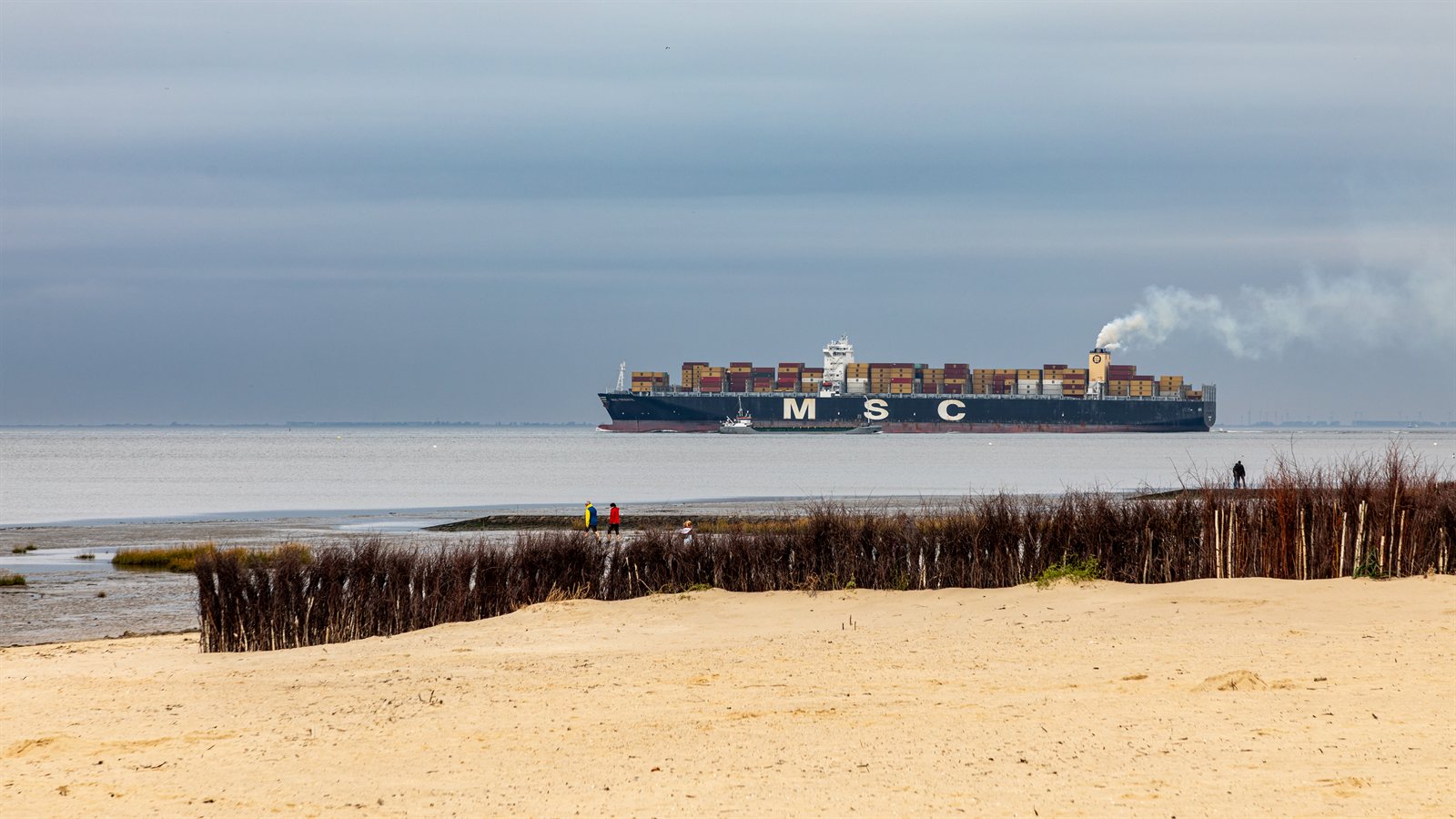
On an estuary the tide decides everything. Two hours either side of high water the birds are pushed onto a handful of roosts and can be watched in enormous concentrations; at low water they scatter across kilometres of mud and become distant specks. Every tour we run is planned from the tide table weeks ahead, and the meeting time moves through the month accordingly. Guests who have visited before on their own are routinely astonished at the difference, which is entirely a matter of standing in the right place at the right hour.
Areas You Cannot Enter Alone
The working salt pans, the private marsh and the reserve's inner zone are closed to general access, and they hold most of the breeding terns, the flamingo concentrations and the best wader roosts. We have written agreements to bring small groups in at defined times, with vehicles left outside and movement restricted to agreed tracks. Nothing about this is a shortcut: it exists because our guides have counted these areas for two decades and the owners trust them to behave.
Honest Expectations
Anyone who writes to us with a target species is told plainly whether that bird is likely, possible or absent in the month they intend to visit. Nobody is sold a week in July on the promise of migration that peaks in September. Where a species is genuinely reliable we say so; where it depends on wind and luck we say that instead. This costs bookings and produces the reviews that bring the next ones, because guests who are told the truth are almost never disappointed on the day.
Teaching, Not Just Pointing
Our guides work through a flock methodically and explain what they are doing: judging size against a known species, reading structure and feeding action before plumage, using calls to narrow a search, and recognising how the light and the heat haze change what a bird looks like at three hundred metres. Beginners leave able to identify a dozen species unaided, which matters far more than a long list. Experienced birders get moult, ageing, subspecies and the local identification traps.
Equipment and Comfort Provided
Every tour carries two telescopes on tripods and enough good binoculars for the whole group, plus folding stools, sun shade, water, fruit and hot drinks in winter. Vehicles are air-conditioned with the windows arranged for viewing, and the walking on most tours is short and level. Two of our regular routes are fully accessible, with a hide reachable by wheelchair and viewing slots at seated height. We tell you exactly how much walking each tour involves before you book.
Birds Ahead of Everything
No group approaches a roost closer than the distance at which birds start to shift, playback is never used, breeding colonies are viewed from fixed points and drones are prohibited on every tour. Guests are told why in two sentences at the start. Every record goes into the national monitoring database, and a fixed share of each fee funds hides, fencing and equipment for the volunteer counters — so a visit contributes to the estuary rather than merely consuming it.